
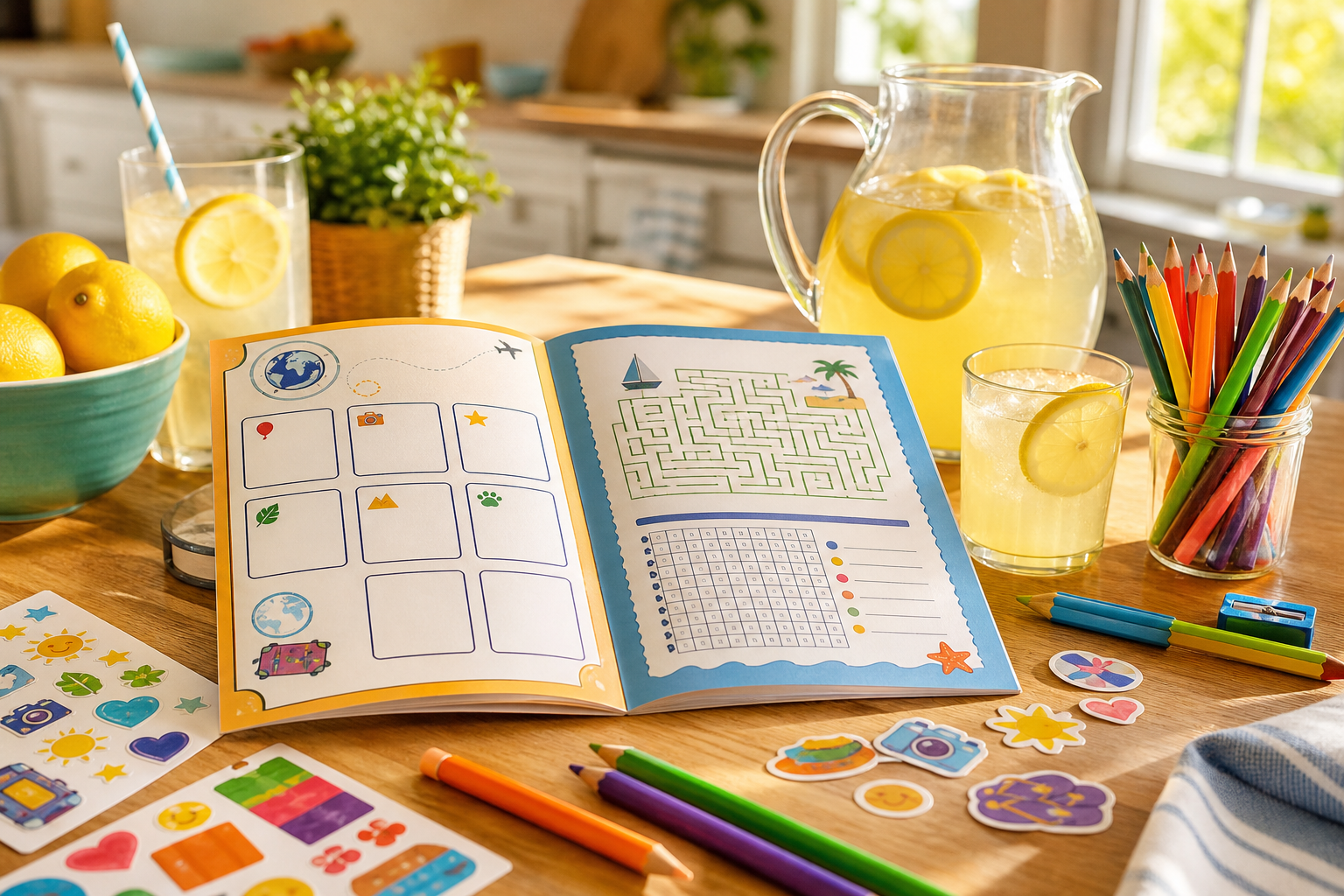


A reading log sounds simple until real life gets involved. The book is in one room, the pencil is in another, one child wants to write every detail, another wants to be done in ten seconds, and adults are trying to keep school-year reading from turning into one more argument at the table. That is exactly where a reading log puzzle pack helps.
The timing fits right now. Late July and early August are when families, teachers, tutors, and homeschool planners start rebuilding school-year routines. The American Academy of Pediatrics keeps its school hub live for grade-school families, the AAP Family Media Plan stays useful when adults want a better screen-light default for short quiet blocks, the U.S. Department of Education keeps family partnership resources available for schools and caregivers, and National PTA continues surfacing family resources for the year ahead. In practical terms, this is a strong moment for reading-log pages that start fast and still feel useful after the first week of school.
A good reading-log printable is not just a blank box for title and minutes. It gives kids one visible puzzle move that helps them notice a book, remember what they read, or come back to the routine tomorrow without another long explanation.
One important note first: these pages work best during seated, supervised activity windows such as homework starts, classroom library time, reading-corner resets, tutoring warmups, after-school quiet blocks, and family table routines. They are not for car-front seats, walking lines, crowded hallways, or any moment when adults need full attention on movement and safety.
Why a reading log puzzle pack works
A plain reading log can feel like paperwork. A puzzle-based reading log gives the page a little more shape. Instead of only recording title and minutes, the child also sorts, matches, codes, compares, notices, or finishes one short challenge tied to the book or the reading session.
That matters because school-year reading rarely happens in one perfect uninterrupted block. It happens before dinner, after pickup, during class soft starts, in library corners, between activities, or in the last ten calm minutes before bed. A good packet survives that kind of interruption.
These printables help most in moments like these:
• while a family wants reading time to feel lighter than a worksheet.
• while a teacher needs one bookish page for a classroom library bin, reading station, or early-arrival folder.
• while a tutor or homeschool parent wants a short warmup that still feels tied to real books.
• while siblings need the same table mood without the exact same reading level.
• while a family activity buyer wants one practical packet that can move from August planning to ordinary school-week use.
What makes a good reading log packet
The strongest packet stays low prep and broad enough to fit many books. It should not depend on one title, one series, or one reading program before anyone can begin.
Aim for:
• one clear task per page.
• answer spaces large enough for clipboards, reading rugs, kitchen tables, and homework folders.
• prompts tied to broad bookish moments such as covers, characters, settings, genres, bookmarks, chapters, and reading minutes.
• a mix of easy visual wins and one or two slightly slower logic pages.
• pages that still make sense whether the reader finished two pages, one chapter, or a whole short book.
If the packet requires a long written summary on every page, it stops being the quick repeatable routine most families and classrooms actually need.
The 15 printable book-tracking games worth building first
1. Title tracker word search
Hide broad reading words such as TITLE, PAGE, BOOK, CHAPTER, AUTHOR, READ, START, and FINISH. This is a low-friction opener that works well before or after a reading block.
2. Genre sort card
Give a short list of titles, covers, or clue words and ask solvers to sort them into broad groups such as mystery, animal, fantasy, nonfiction, or funny. This adds a bookish thinking move without needing a full report.
3. Minutes-and-pages tally grid
Scatter clocks, page icons, and bookmark symbols around the page, then ask solvers to count, compare, and circle which category appeared most. Younger solvers can still finish the page even if they are not ready for longer written responses.
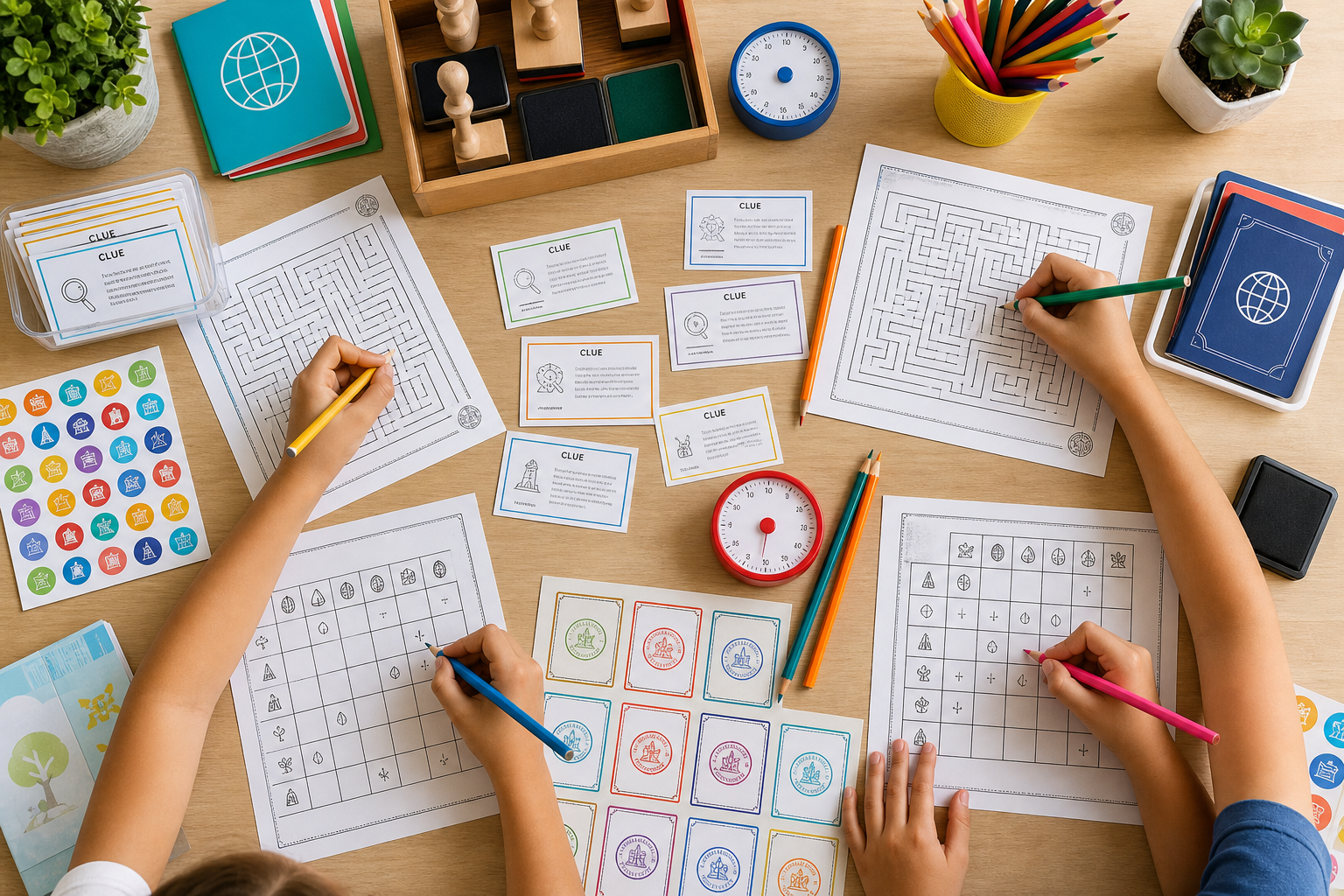
4. Bookmark maze
Guide a bookmark from the first page to the last chapter through a simple maze. This works well as a quick visual page for reading folders and classroom bins.
5. Cover clue rebus
Use simple pictures and letters to hint at words such as BOOK, STORY, SHELF, or HERO. Rebus-style clues keep the page accessible when reading levels vary.
6. A=1 reader codebreaker
Use a simple number key to reveal words such as READ, QUIET, CHAPTER, START, or FINISH. This adds challenge without adding supplies.
7. Shelf bingo strip
Create a small grid with clues such as animal on the cover, number in the title, blue cover, true facts, or picture of a place. This helps readers notice book details without turning the activity into a scavenger hunt that takes over the whole room.
8. First-next-last sequencing page
Give three short reading-routine steps such as choose book, read pages, mark log and ask solvers to put them in a sensible order. This is especially useful for younger readers who are still learning the routine itself.
9. Character-or-setting match sheet
Match broad clues to the right column, such as who is a person, what is a place, and which word might describe the problem. Keep it general enough that the page works with many books.
10. Reading streak pattern strip
Use stars, books, pencils, and bookmarks in a simple repeating pattern, then add a second row with a slightly harder sequence. This keeps one page available for tired readers who still need a small win.
11. One-letter book word ladder
Build a short ladder such as BOOK to LOOK or PAGE to CAGE with one-letter changes. Older readers often like this because it feels more like a puzzle than a form.
12. Mini reading-log logic puzzle
Use three readers, three genres, and three bookmark colors with a few clues. Keep it short enough to solve in under three minutes so the page still works on a real school night.
13. Spot-the-difference reading corner
Show two simple reading-nook scenes with a few changed details, such as one missing pillow, one extra bookmark, or one swapped book stack. This works across reading levels and still feels tied to the theme.
14. Notice-and-write prompt
Give players three short lines to name one part they noticed, one word they liked, and one thing they want to read next. This keeps the packet connected to real books without requiring a full summary paragraph every time.
15. Final READER password page
Let answers from earlier pages reveal one letter each so the packet ends with READER, BOOKS, STORY, or CHAPTER. A final password gives the folder a visible finish without needing prizes or stickers.
Three quick mini examples
These are simple enough to build before the next classroom reading block, tutoring session, homework start, or family quiet hour.
Example 1: short riddle
I keep your place even when the book closes, but I am not a page. What am I? Answer: a bookmark.
Example 2: simple code
Use A=1, B=2, C=3. 18 - 5 - 1 - 4. Answer: READ.
Example 3: easy logic clue
Maya, Theo, and June each read one type of book: mystery, animal, and nonfiction. Maya did not choose nonfiction. Theo did not choose mystery. June did not choose animal. Answer: Maya chose mystery, Theo chose animal, and June chose nonfiction.
How to package a reading log folder
A strong reading-log packet usually needs only six to nine pages.
Start with:
• 2 fast pages such as a word search or pattern strip.
• 2 visual pages such as a maze, bingo strip, or spot-the-difference sheet.
• 2 slightly stronger pages such as a codebreaker or mini logic puzzle.
• 1 short notice-and-write page.
• 1 final password page.
• 1 answer key.
That mix is enough for a homework folder, classroom reading bin, tutoring stack, homeschool basket, or family table routine without making the packet feel bulky.
A short reusable folder also fits the same practical thinking behind the AAP Family Media Plan. When a pencil-first reading page is already visible, adults do not have to improvise every time a child finishes a chapter, stalls at the table, or asks what comes next.
Classroom, family-table, and tutoring version
For teachers, start with the word search, sequencing page, and bookmark maze during classroom library time, arrival, or an early-finisher block. Save the codebreaker, word ladder, and final password for later in the week when students are ready for something that feels a little more complete.
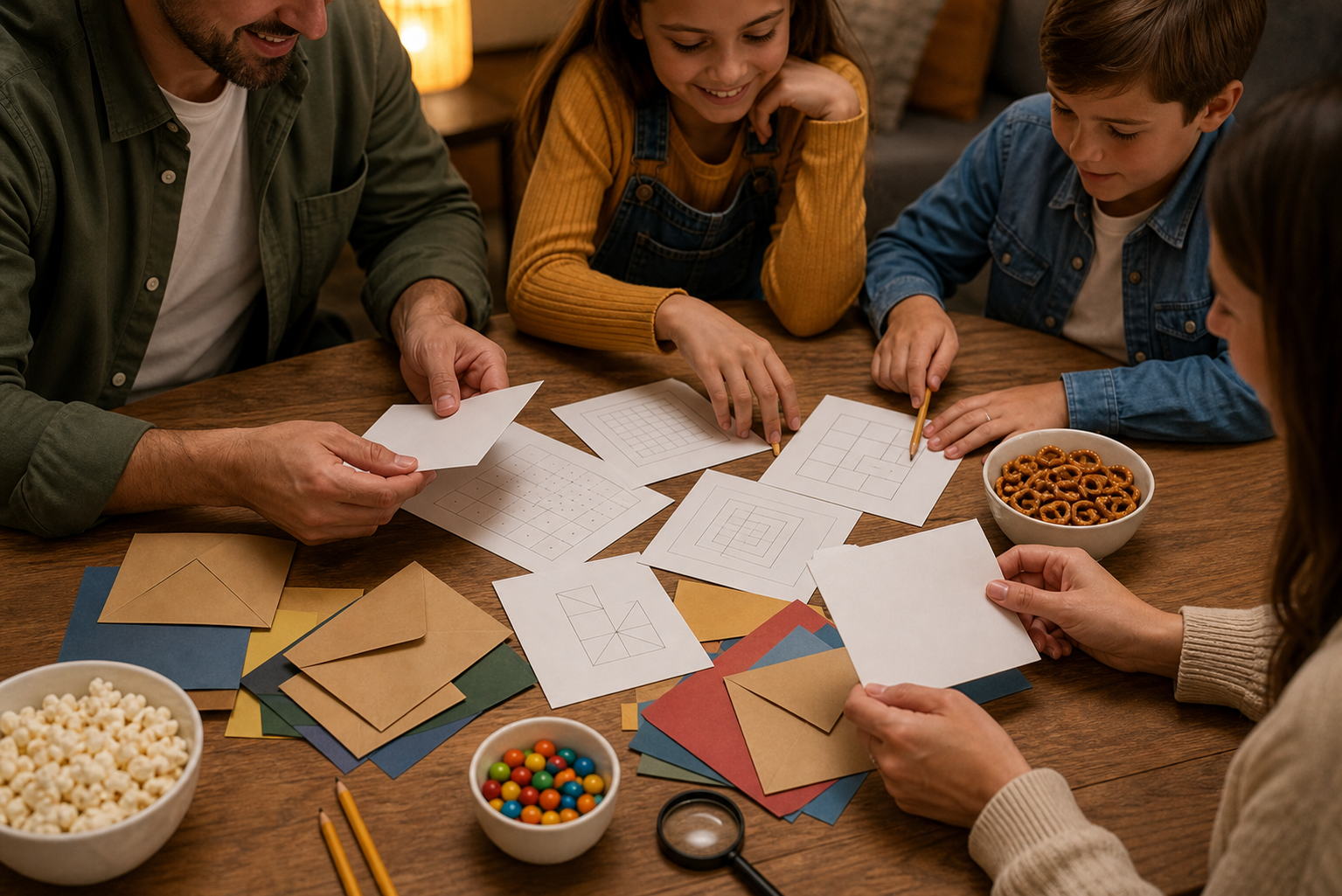
For families, keep one easy page for a younger reader, one stronger page for an older sibling, and one page that can be finished after dinner or before bed. The best home packet gives everyone the same quiet table mood without forcing the same writing load.
For tutors, homeschoolers, librarians, and family activity buyers, this theme works well for homework starts, reading-corner baskets, take-home folders, literacy tables, and rainy-afternoon resets. Use the genre sort, one visual page, one codebreaker, and the final password as short stations, then keep the answer key nearby so the packet stays self-directed.
Fast answers to common buyer questions
What ages work best for reading-log printables?
Most packs work best for ages 6 and up, with easier matching, maze, tally, and pattern pages for younger readers and code, logic, and word-ladder pages for older kids.
What supplies should the packet assume?
Assume only a printer, pencil, and optional folder or clipboard. If a page needs markers, scissors, glue, or internet access to function, make that obvious before anyone prints it.
How long should a reading-log puzzle session last?
Five to fifteen minutes is usually enough for a classroom station, tutoring warmup, homework start, or family reading block. Shorter sessions are easier to repeat than one long packet marathon.
Do these pages replace a normal reading log?
No. They work best beside a simple title-and-minutes log, a classroom reading tracker, or a family reading routine. The puzzle pages add variety and visibility, but they do not need to replace every basic record a teacher or parent already uses.
Common mistakes to avoid
Do not make every page depend on one exact book series or one grade level.
Do not overload the packet with long written summaries before anyone gets to solve anything.
Do not assume every reading routine happens at a desk with lots of time and supplies.
Do not forget the practical goal. The packet should help adults start reading time faster, not add a new layer of resistance.
Internal link suggestions
Pair this topic with the Reading Corner Puzzle Pack, the Book Fair Puzzle Pack, the Library Summer Reading Puzzle Pack, the Homework Station Puzzle Pack, the Before-School Puzzle Pack, and the free puzzles and games page. Readers who like this theme often want one more bookish or school-routine printable for the next quiet block.
Call to action
Want more printable-style puzzle ideas that fit real school weeks, real family tables, and real classroom routines? Browse PuzzlePlay Books for family-friendly puzzle guides, low-prep printables, free games, and practical screen-light activities that are easy to print and easy to reuse.