
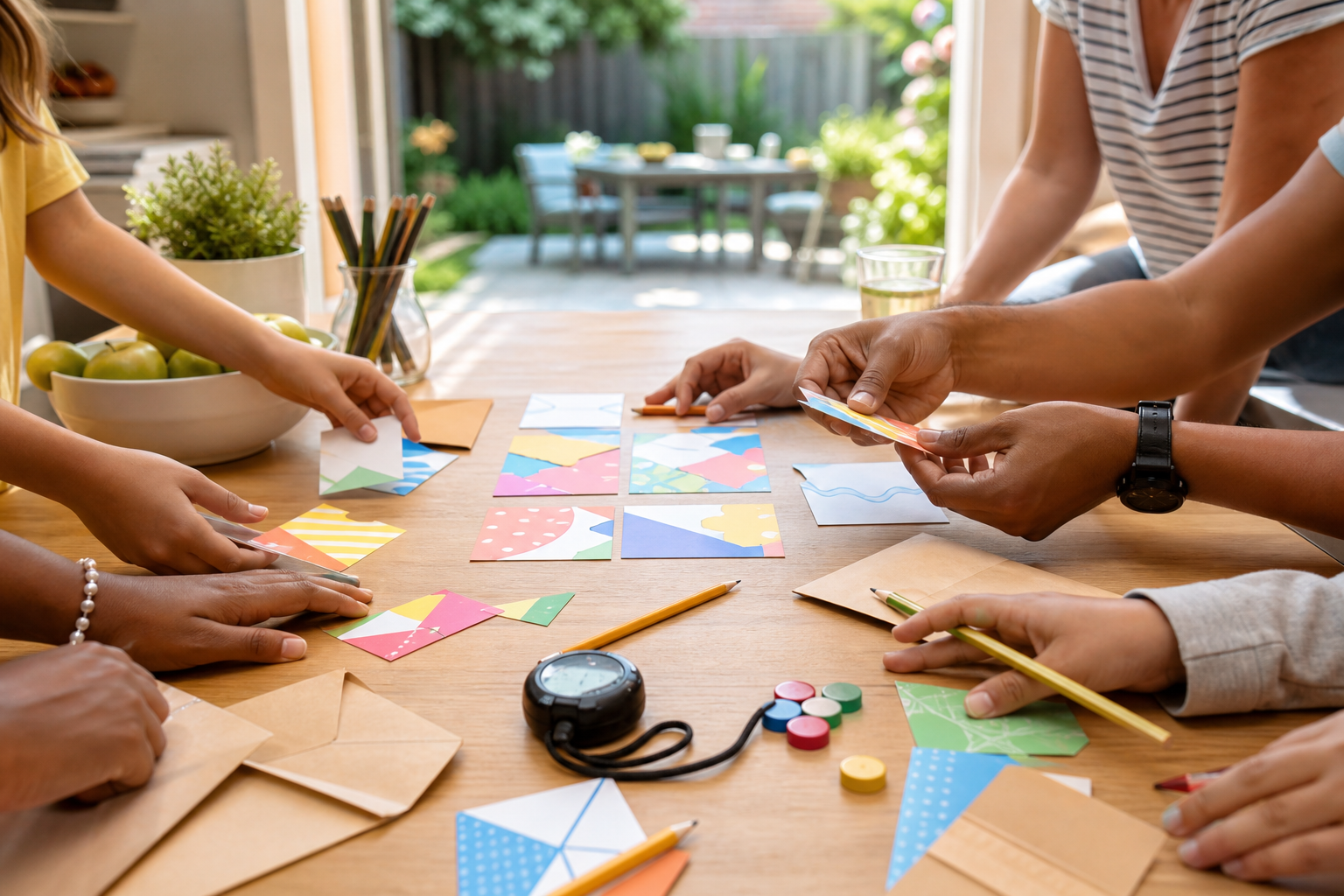


A printable puzzle relay is the easiest way to make paper puzzles feel like an event. Instead of handing out one worksheet, you set up four small stations, start a 20-minute timer, and let teams move from clue to clue until they unlock a final answer.
The format fits the current puzzle moment because educators and parents are looking for games that are social, quick to explain, and not another screen. Edutopia published fresh classroom guidance in 2026 on using games and creating curriculum-based board games, reinforcing how useful simple group play can be for participation, review, and collaboration.
For Puzzle Playbooks readers, the opportunity is practical: a relay turns word searches, mini mazes, visual codes, category sorts, and tiny logic clues into a group activity that works for camp tables, classroom review, birthday parties, reunions, library clubs, and family game night.
Why Printable Puzzle Relays Work
Most group puzzle activities fail for one of two reasons: the rules are too long, or the fastest solver takes over. A relay fixes both problems. The structure is visible. The rules fit on one card. The movement gives each player a job before boredom settles in.
The best version is not a chaotic race around the room. It is a tabletop relay. Teams solve Station 1, bring the answer to the host or answer sheet, collect Station 2, and keep going. Younger players can be runners, readers, checkers, decorators, or hint managers. Older players can handle deduction and code-breaking.
That makes the activity flexible. A teacher can use vocabulary clues. A camp counselor can use nature, cabin, or color themes. A parent can use family jokes and snack rewards. A party host can use birthday clues without hiding anything fragile around the house.
The 4-Station Puzzle Relay Format
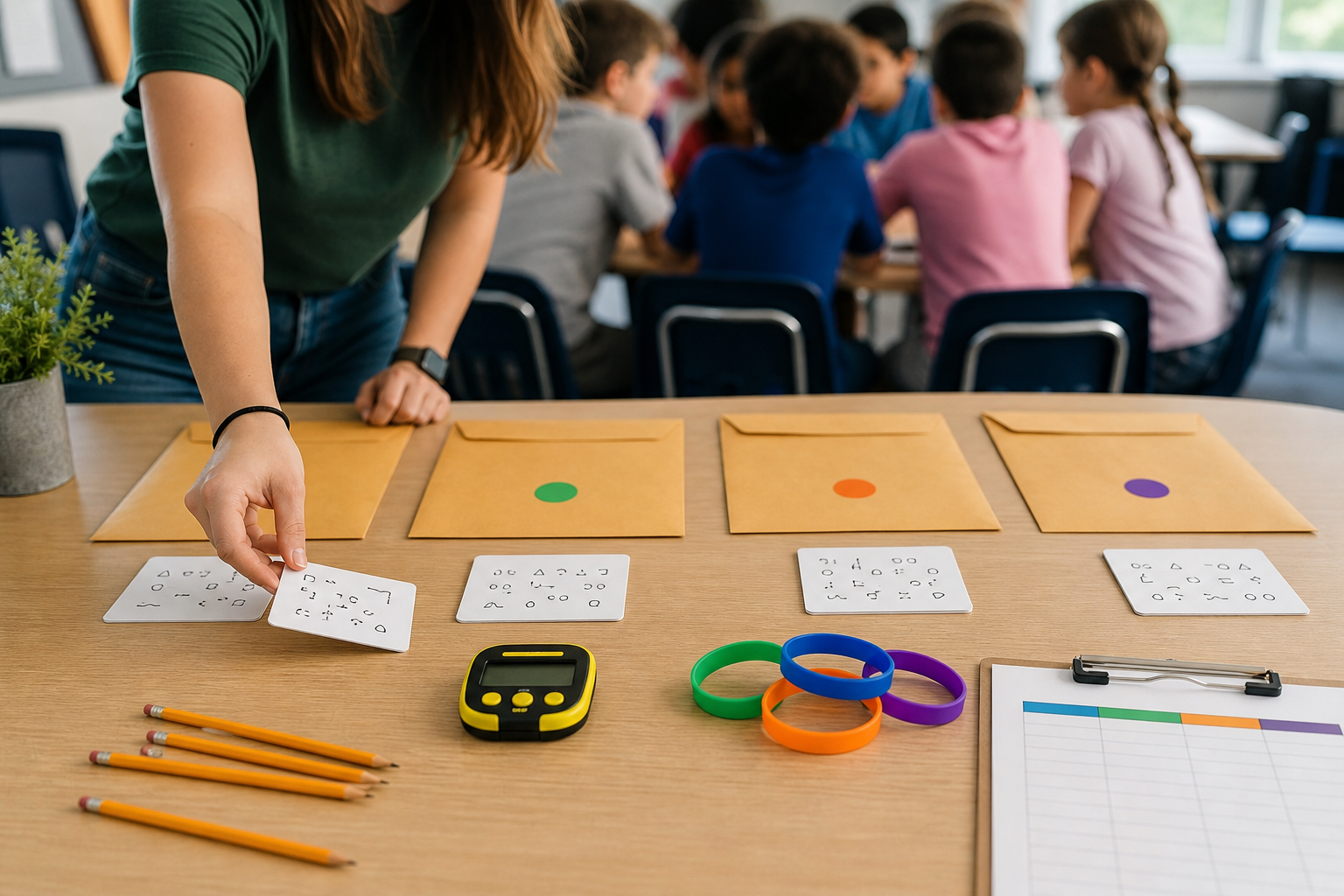
Use four stations because four gives enough variety without making setup feel like a project. Put each station in a labeled envelope or folder. Give every team one answer sheet, one pencil, and two hint tokens.
Station 1 should be a warm-up puzzle. Use a six-word word search, a tiny maze, or a picture match. The goal is confidence, not difficulty.
Station 2 should reward careful reading. Use a short riddle, a two-step instruction clue, or a category sort where one item does not belong.
Station 3 should create teamwork. Use a split clue where one player reads a pattern, another checks a grid, and a third writes the answer.
Station 4 should feel like the finale. Use a simple cipher, map path, or logic mini-grid that produces the final code word.
The final answer can unlock a snack basket, a certificate, the next printable page, a silly team title, or the choice of the next family game. The reveal does not need to be expensive. It just needs to feel earned.
A Ready-to-Run Example
Here is a simple summer version you can build in 15 minutes.
Theme: The Missing Picnic Password.
Station 1: Find eight picnic words hidden in a small word search. The unused letters spell SUN.
Station 2: Sort twelve cards into Snacks, Games, and Weather. The odd card is CLOCK.
Station 3: Follow a maze from blanket to basket. The path crosses the letters R, E, D.
Station 4: Use SUN, CLOCK, and RED to solve one final sentence: Meet where the red clock points at noon. The answer is PATIO.
Final reveal: the team opens the patio envelope and finds a certificate, a bonus riddle, or the first clue for a longer printable hunt.
That example is deliberately simple. The magic is not complexity. The magic is sequence, teamwork, and a visible finish line.
How to Run It Without Chaos
Keep the host script under 30 seconds: Your team solves four envelopes in order. Write each answer on the answer sheet. Spend a hint token if you are stuck for three minutes. When all four answers are complete, combine them for the final code.
Assign roles before the timer starts. Use Reader, Writer, Checker, Runner, and Hint Manager. If you have fewer players, combine roles. If you have a large camp group, make two teams share the same station but stagger their starts by two minutes.
Use a visible timer, but do not let the timer become the whole game. For mixed ages, make the goal completion, not first place. For older kids or adults, add bonus points for unused hint tokens and clean answer sheets.
Set a hard reset rule. Every envelope goes back to the host table when finished. Every pencil returns to the cup. Every team keeps only the answer sheet. This one rule prevents the second group from inheriting a messy game.
Classroom Version
For classrooms, tie each station to a review skill. One station can be vocabulary, one can be sequencing, one can be math facts, and one can be inference. The final code can reveal a discussion question instead of a prize.
Keep teams to three or four students when possible. Larger teams create passengers. Smaller teams make every student responsible for the answer.
A printable relay also helps when you need a Friday review activity, a substitute-friendly lesson, a club station, or an end-of-unit game that does not require devices. Include an answer key and a reset checklist so another adult can run it without guessing.
Camp and Party Version
For camps and parties, make the theme visible before the first clue. Put a sign on the host table, use colored envelopes, and give teams a name card. Presentation turns ordinary paper into a game people remember.
Build in one physical job per station: carry the answer sheet, draw the path, sort the cards, or place a token on the final answer. The activity still stays paper-first, but players feel like they are doing something together.
If the group is noisy, use silent solving for the first two minutes of each station. Then allow team talk. That small constraint helps quieter players notice patterns before the loudest player dominates.
Family Night Version
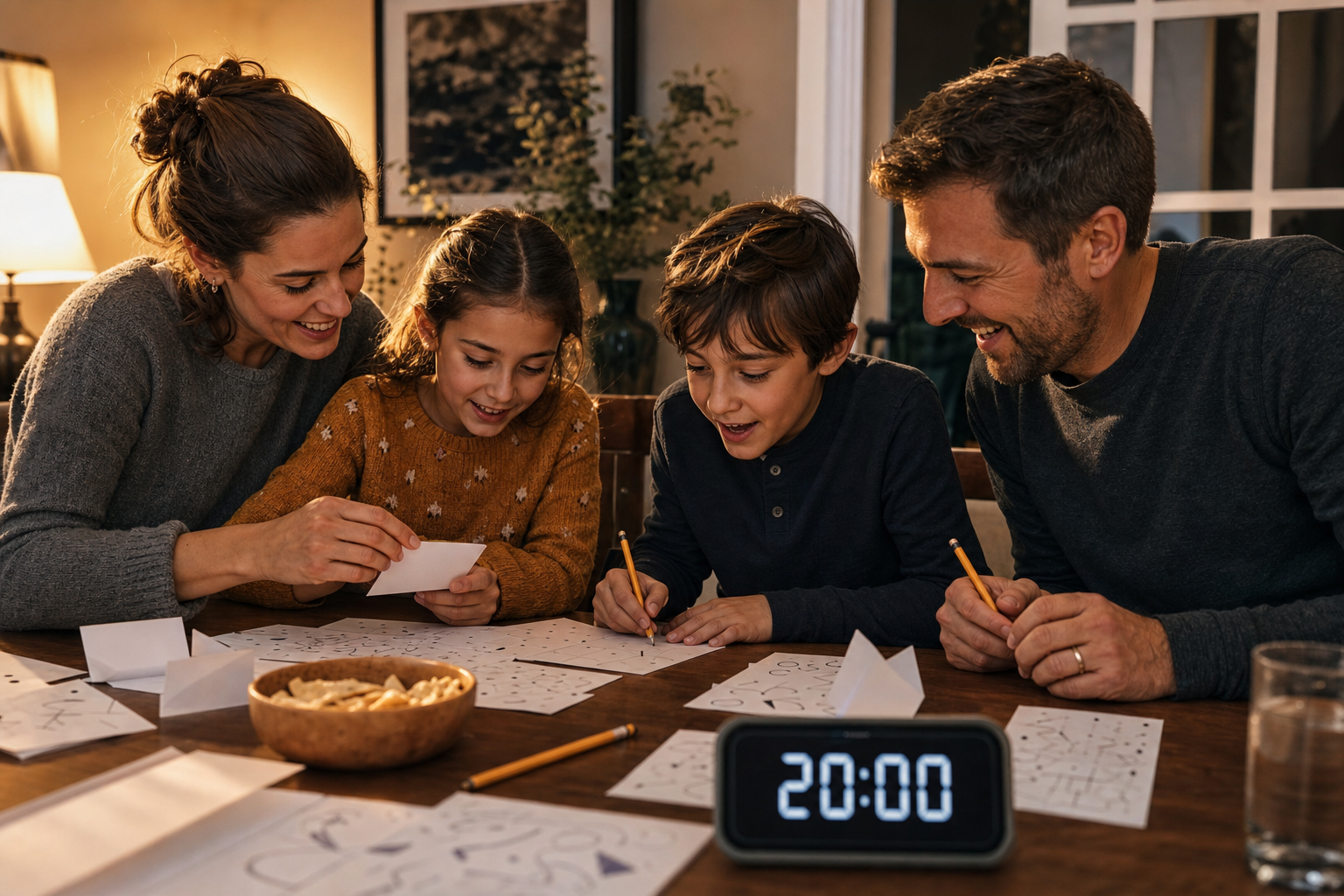
At home, run the relay cooperatively. Put all four envelopes in the middle of the table and solve them in order. Let the youngest player choose when to spend a hint token. Let the oldest player read the final reveal dramatically.
For a 20-minute family version, skip scoring and use a single shared answer sheet. If the group finishes early, ask everyone to design one bonus clue for the next round. That turns consumers into puzzle makers, which is often the most replayable part of the night.
Printable Pack Checklist
A complete puzzle relay pack should include a cover page, host instructions, four station cards, four station envelopes or labels, one answer sheet, one answer key, two hint tokens per team, a reset checklist, and one final reveal card.
If you are selling or sharing the printable, add difficulty labels and estimated solve times. A parent or teacher should know whether the game is best for ages 6 to 8, 9 to 12, teens, adults, or mixed groups before printing.
The strongest printable packs also include a blank template. Once families and teachers understand the format, they will want to write their own clues for birthdays, holidays, book clubs, field days, and rainy afternoons.
More Team Puzzle Ideas
Pair this relay with Puzzle Playbooks' Mini Paper Escape Rooms when you want a more mystery-driven table game. Use the Fourth of July Backyard Puzzle Hunt for a seasonal cookout version. Use the Road Trip Puzzle Kit when the same families need portable pages for cars, cabins, airports, and camp downtime.
Run Your First Relay
Want a printable that feels bigger than a worksheet? Build one four-station relay first, then turn your best clues into a reusable Puzzle Playbooks-style pack with answer keys, hint tokens, and a clean reset sheet.