
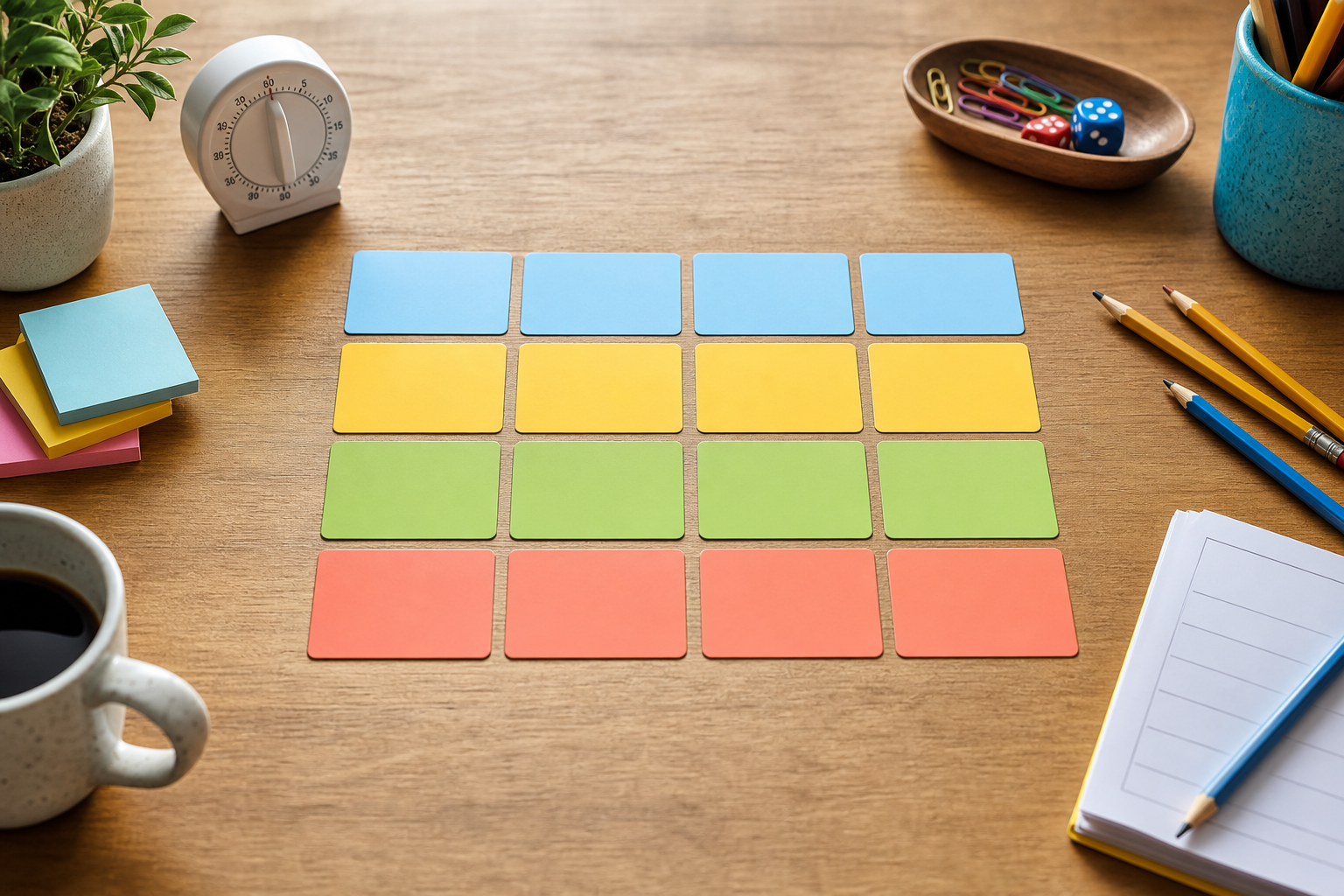


Daily word games have trained millions of people to enjoy a very specific kind of brain teaser: look at a small set of words, find the hidden relationships, and feel the click when the groups finally make sense.
That habit is perfect for printable play.
A 16-word category sort puzzle is small enough for a classroom warmup, sharp enough for adult game night, and flexible enough for vocabulary review, holiday parties, road trips, tutoring, senior centers, and rainy-day family tables.
The best part is that you do not need an app, a login, or a subscription to make one. You need sixteen words, four clean categories, a few deliberate decoys, and a printable page people can mark up with a pencil.
Why Category Sort Puzzles Are Having a Moment
The current puzzle signal is hard to miss. On June 28, 2026, live Google News results for daily category-puzzle hints showed fresh same-day coverage from outlets including CNET, The New York Times, Parade, Rock Paper Shotgun, Lifehacker, and others. That does not mean you should copy a daily puzzle. It means the solving habit is familiar now.
The New York Times Company describes its games lineup as daily word and logic games for a range of solver levels, including Wordle, Connections, Strands, Spelling Bee, crosswords, and related puzzles. Its own description of Connections is simple: group words that share a common thread.
For Puzzle Playbooks readers, the business fit is clear: category sorting turns a trending digital habit into a paper-first activity that teachers, parents, hosts, and printable puzzle buyers can actually use.
The 4-by-4 Setup
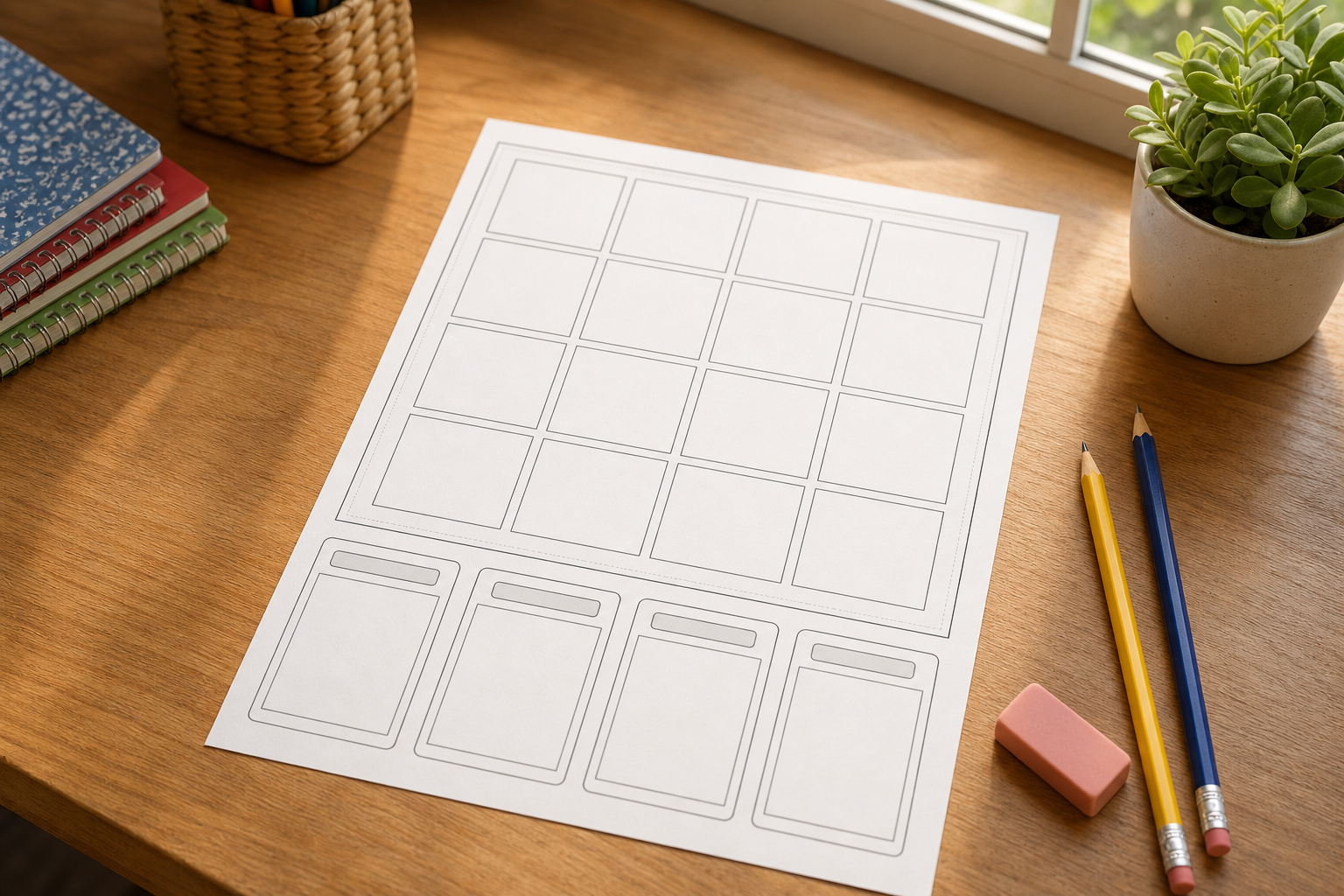
The standard printable version uses sixteen cards or boxes. Solvers must sort them into four groups of four. Each group shares a theme, relationship, word pattern, or clue.
Keep the instructions short: Sort the sixteen words into four groups of four. Write a category name for each group. If you get stuck, explain one possible link before you move a card.
That last sentence matters because category puzzles are not only about answers. They are about reasoning out loud. A wrong theory can still be useful if it helps the group notice a better pattern.
A good printable page has five parts: a title, sixteen word boxes, four answer lines, a small hint area, and a separate answer key. If you are printing for a classroom, put the answer key on page two. If you are hosting game night, cut the sixteen boxes into cards and let people physically move them.
What Makes a Category Sort Puzzle Work
The puzzle should feel solvable before it feels clever. Start with categories that are fair, then add personality.
A fair category has a clear reason all four words belong together. A playful category has a reason that is not obvious at first. A frustrating category depends on private knowledge, weak trivia, or a category so broad that almost any word could fit.
Use this quality test before publishing or printing: Could a reasonable solver defend the intended category after seeing the answer? If the answer needs a long apology, rewrite the set.
The easiest categories are concrete groups: fruits, classroom supplies, weather words, pets, musical instruments, sports equipment, colors, shapes, book genres, or puzzle types.
Medium categories use shared word behavior: words that can follow moon, words that start with silent letters, words that become new words when one letter changes, or words that can be both nouns and verbs.
Hard categories use association: things found in an escape room, words connected to maps, items in a picnic basket, or verbs used in both cooking and puzzle solving.
The Trap-Word Rule
Every shareable category puzzle needs a little friction, but not a cheap trick. The cleanest way to add friction is to use one or two trap words.
A trap word looks like it might belong in one group but actually belongs somewhere else. For example, orange could be a color or a fruit. Pitcher could be a baseball role or a kitchen container. Square could be a shape, a number property, or a place in town.
Use traps sparingly. If six words all fit everywhere, the puzzle stops feeling smart and starts feeling arbitrary.
For classroom use, make the first version trap-light. For adult game night, add one obvious trap and one quiet trap. For expert solvers, make the categories cross each other in theme but not in final answer.
Three Ready-to-Use Puzzle Sets
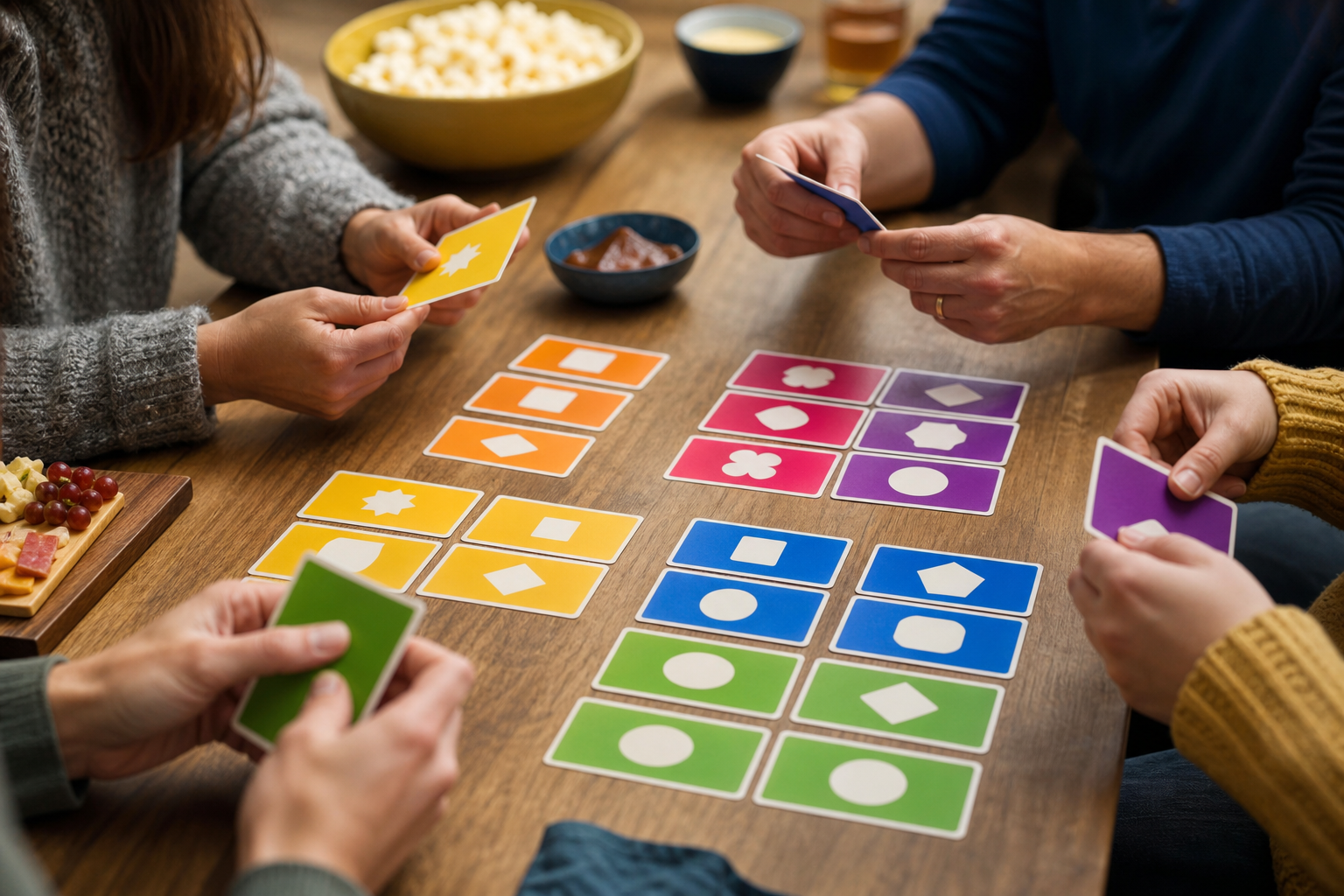
Here are three original starter sets you can print, adapt, or use as models. They are intentionally clean so the format is easy to learn.
Set 1: classroom warmup. Words: pencil, marker, crayon, eraser, robin, sparrow, owl, eagle, square, circle, triangle, hexagon, apple, peach, plum, pear. Categories: classroom tools, birds, shapes, fruits.
Set 2: family game-night table. Words: maze, Sudoku, crossword, word search, whisk, spatula, tongs, ladle, thunder, drizzle, breeze, frost, guitar, flute, trumpet, drum. Categories: puzzle types, kitchen tools, weather words, instruments.
Set 3: harder wordplay round. Words: bank, bark, bat, jam, river, ocean, lake, pond, lock, clue, code, key, light, sound, heat, electric. Categories: words with multiple meanings, bodies of water, escape-room terms, and forms or signals of energy. Bank is the trap word because it can point toward river, but it belongs with the double-meaning words.
Notice the difference between Set 2 and Set 3. Set 2 is a friendly on-ramp. Set 3 is a discussion round. Both can work, but they should not be used for the same group at the same moment.
How to Write Your Own in 10 Minutes
Start by choosing four categories your audience already understands. Write five possible words for each category, not four. That gives you room to remove weak entries.
Next, circle the four strongest words in each category. Strong words are specific, visual, and hard to misunderstand. Replace any word that could reasonably belong in two intended groups unless you are using it as a deliberate trap.
Then shuffle the sixteen words and read the full list out loud. If one category jumps out too fast, that is fine for beginners. If three categories jump out instantly and the fourth feels impossible, rebalance the set.
Finally, write the answer key before you print. This sounds obvious, but it catches messy categories quickly. If you cannot name the category in three or four words, the set probably needs editing.
Classroom Uses That Do Not Feel Like Worksheets
Category sorts work well as bell ringers because students can start without a long explanation. Put one set on the board, give pairs three minutes to propose groups, then ask one pair to defend one category.
For vocabulary review, mix current unit words with older terms. For example, a science class can sort habitats, weather terms, tools, and measurement words. A language arts class can sort character traits, genres, punctuation marks, and transition words.
The trick is to avoid making every category a test of recall. Add one familiar or funny category so students feel invited into the puzzle before the academic vocabulary appears.
For younger learners, use picture cards. For older students, let them build one category for the next class. Student-made categories are excellent because they reveal which relationships students actually understand.
Run It as a Game-Night Table Challenge
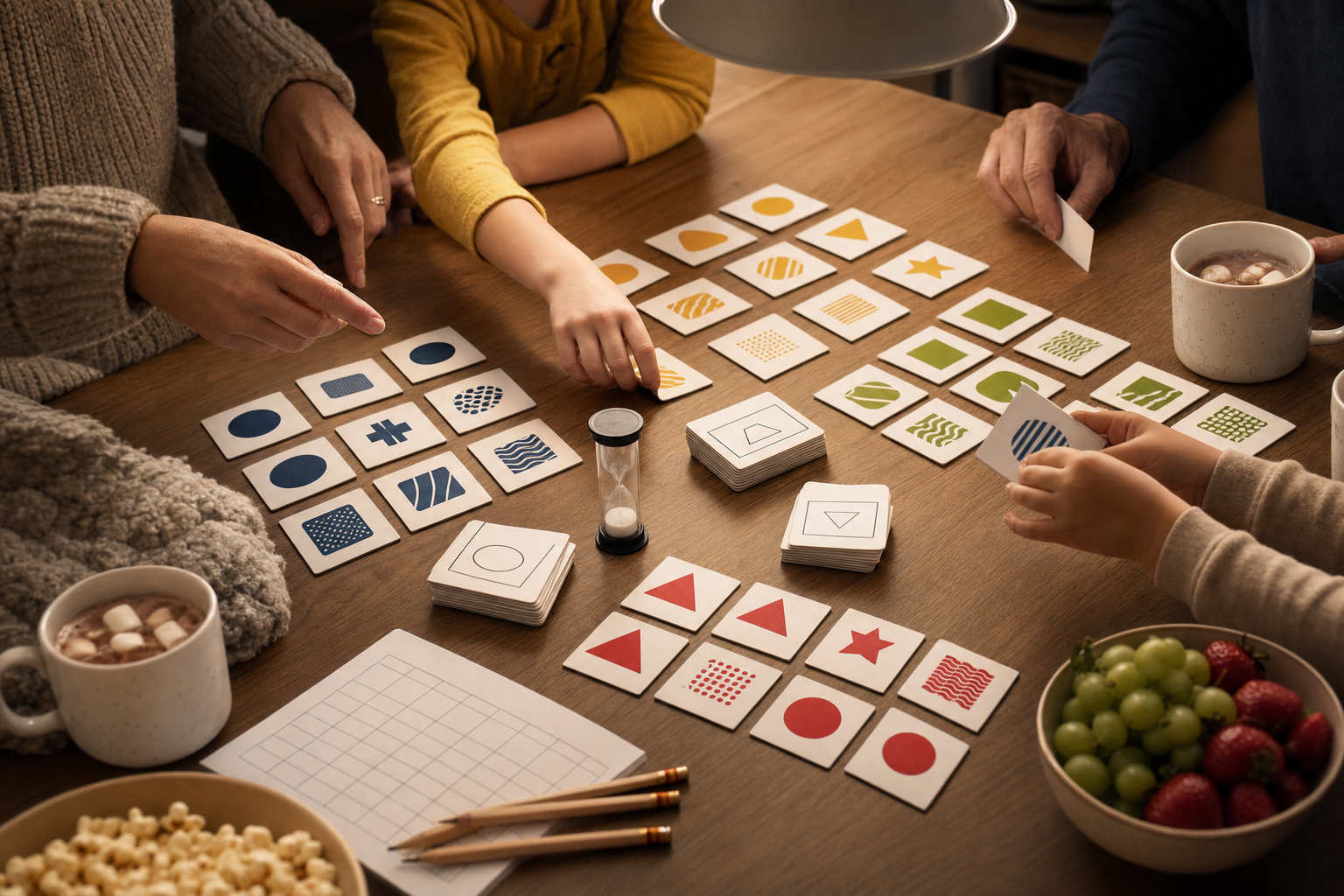
For families and adult puzzle fans, turn the page into a table game. Print the sixteen words as cut cards. Give each team a blank answer sheet and three hint tokens.
Round one should be easy and fast. Round two can include one trap word. Round three can be themed: movies without using copyrighted character names, road-trip objects, food verbs, summer camp words, holiday table items, or puzzle-book terms.
Score it gently. Award one point for each correct group and one bonus point for a good category name. If two teams find different defensible categories, let them argue the case. The debate is often the fun part.
This is also a strong no-prep party format because the host can make sets around the people in the room: family sayings, vacation memories, favorite snacks, school subjects, hobbies, or inside jokes. Keep anything embarrassing out. A shareable puzzle should make people feel clever, not targeted.
Make It Printable and Buyer-Friendly
If you sell or share printable puzzle packs, category sorts deserve a place beside word searches, mazes, Sudoku, and mini escape-room clues. They are compact, reusable, and easy to theme by grade level, holiday, party, or reader interest.
A polished pack could include ten beginner sets, ten mixed-difficulty sets, blank templates, cut-card versions, and answer keys. Add large-print versions for seniors and low-vision-friendly settings. Use high contrast, generous spacing, and avoid tiny decorative fonts.
This is where category sorting pairs naturally with Puzzle Playbooks products and guides. A word search book gives a calm solo hunt. A Sudoku book gives number logic. A category sort page gives fast social reasoning. Together, they make a screen-free table feel full without needing a device.
Common Mistakes to Avoid
Do not use categories that depend on one person knowing obscure trivia. Do not make the words too similar visually. Do not include a trap word unless the final answer is still fair. Do not put the answer key beside the puzzle. Do not make the first set too hard for the audience.
Also avoid copying daily puzzle answers, branded layouts, or proprietary clues. Use the trend as evidence of interest, then make original categories that fit your classroom, family, party, or printable pack.
Try One Category Sort Tonight
Try one 16-word sort tonight: four puzzle types, four kitchen tools, four weather words, and four instruments. If the table likes the format, build a small screen-free stack with word searches, Sudoku, coloring pages, and category sorts so the next game night starts before the phones come out.
For more screen-free routines and puzzle-book buying paths, use the Puzzle Book Finder, browse large-print word search and Sudoku guides, or start with the Amazon Quick Shop on PuzzlePlayBooks.com.