
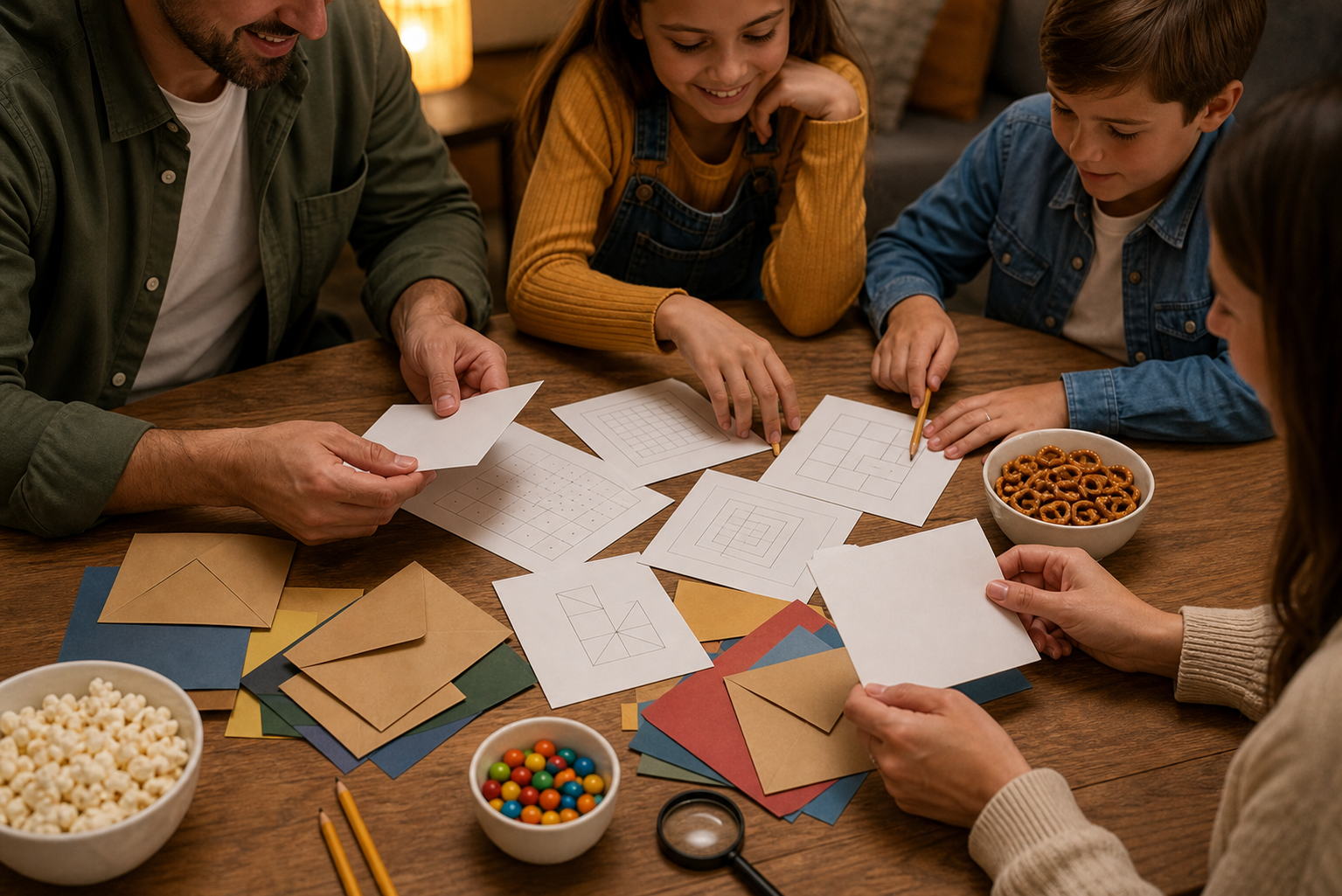


Locker day is exciting for the student who gets the new combination, the new hallway, and the first real look at middle school. It can also be a long stretch of standing, waiting, listening, and trying not to lose the paper schedule while adults handle forms, maps, and quick conversations. That is exactly where a simple printable puzzle pack helps.
The timing fits right now. Late July and early August are when many families start moving from elementary routines into middle-school orientation, schedule pickup, locker practice, and campus walkthrough events. The American Academy of Pediatrics keeps school guidance and its Family Media Plan available for families, the U.S. Department of Education continues to point families toward family partnership resources, and National PTA keeps practical family resources easy to find. In practical terms, that means short, visible, repeatable activities still matter during back-to-school transition events.
A good locker-day printable is not a giant packet. It is a small set of pages that can begin in seconds, pause without frustration, and travel from a hallway bench to the ride home to the kitchen table without losing the point.
One important note first: these pages are best for seated waiting windows, lobby tables, counseling-office chairs, cafeteria benches, and parked ride-home passenger seats. They are not for use while adults are crossing parking lots, reading building maps, practicing a real locker combination, or supervising movement through crowded hallways.
Why a locker day puzzle pack works especially well
Locker-day waits are usually short, broken into pieces, and full of interruptions. That is why long worksheets tend to fail. Kids lose the thread when the group changes locations, a staff member starts speaking, or an adult suddenly needs the clipboard. Puzzle pages hold up better because each page has one visible task, one small finish line, and one easy restart point.
Printables help most in moments like these:
• while one adult is checking forms or asking a schedule question.
• while siblings wait for a locker turn or hallway walkthrough.
• while the family is early for an orientation talk or welcome table.
• while a line for counselors, ID cards, or handbooks moves slower than expected.
• while the ride home needs something calmer than another screen.
The packet should stay simple. Good locker-day pages should work with a printer, pencil, folder, clipboard, cafeteria table, or lap. They should not depend on scissors, glue, internet access, or one exact school map before anyone can begin.
What makes a good printable locker day packet
The strongest packet is not the thickest one. It is the one a parent, teacher, counselor, school office helper, librarian, or family activity buyer can print quickly and actually use on a real back-to-school schedule.
Aim for:
• one clear task per page.
• black-and-white friendly layouts that do not waste ink.
• answer spaces big enough for laps, clipboards, and benches.
• a mix of easy visual wins and one or two slightly slower logic pages.
• prompts tied to real locker-day moments such as hallways, combinations, schedules, homerooms, notebooks, and first-period transitions.
• pages that still make sense even if the family leaves early or finishes the packet later at home.
If the printable depends on one exact school map or a long explanation before kids can begin, it stops being a practical waiting activity.
The 15 printable orientation games worth building first
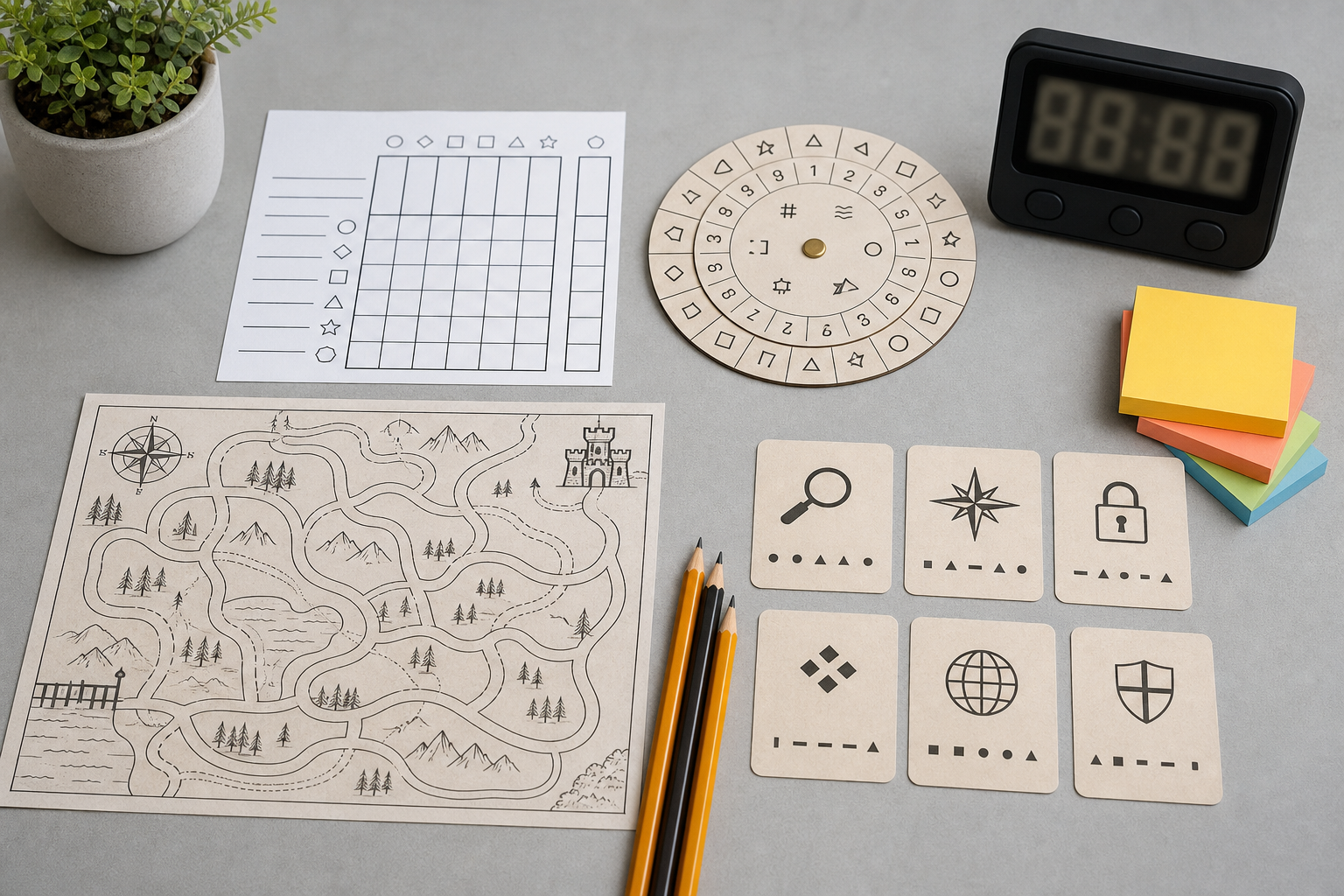
1. Locker-word-search sprint
Hide approachable words such as locker, hall, combo, class, map, binder, pencil, and bell. This is a low-friction opener for mixed ages.
2. Combination-pattern strip
Alternate simple number or symbol patterns that look like practice combinations without mimicking a real lock. Think left-right-left arrows, 2-4-2-4, or star-circle-star-circle. This gives younger solvers a quick visible win.
3. Hallway icon hunt
Show a short list of broad icons or words to spot, such as locker, clock, water fountain, poster, office sign, or backpack. Keep the prompts broad so they work in many schools.
4. Locker-row maze
Draw a short path from the front office to a pretend locker row, homeroom, or welcome table without crossing blocked squares. Short mazes travel better than giant ones.
5. Schedule-card scramble
Unscramble school words such as binder, homeroom, science, hallway, planner, and locker. Keep the list short enough to finish during a real waiting window.
6. A=1 homeroom codebreaker
Use a simple number key to reveal words such as READY, SHARE, MAP, START, or BRAVE. This adds challenge without adding supplies.
7. Shelf-and-hook tally page
Show simple groups of notebooks, hooks, shelves, or pencils and ask players to count totals or matching sets. This works well for younger solvers and still feels on-theme.
8. Route-order sequencing card
Give four short steps such as office, locker, homeroom, and library and ask players to put them in a sensible order based on simple clues. This adds reasoning without requiring a full map.
9. Locker-supply category sort
Give players a short list of words and ask them to sort each one into groups such as classroom supply, hallway place, schedule word, or first-day helper item. This creates reasoning without requiring long reading.
10. Spot-the-difference locker scene
Show two simple hallway scenes with a few changed details such as one missing notebook, a swapped locker color, or an extra welcome poster. This is easy to explain and works across reading levels.
11. One-letter word ladder
Build a small ladder such as LOCK to LOOK or BELL to BALL with one-letter changes. This gives older solvers a stronger word challenge without extra materials.
12. Three-clue first-period logic page
Use three students, three first classes, and three locker rows with a few short clues. Keep it short enough to solve in under three minutes so it feels satisfying instead of heavy.
13. This-or-that middle school choices
Ask players to circle favorites from simple pairs such as binder or folder, stairs or elevator, art or science, maze or riddle, homeroom or library. This adds variety for kids who need a break from pure puzzle solving.
14. My orientation clues prompt
Give players three short lines to note one thing they spotted, one hallway detail they liked, and one question they want to ask later. This keeps the packet connected to the event without turning it into homework.
15. Final locker password
Let answers from earlier pages supply letters for one last word such as READY, BRAVE, START, CLASS, or FOCUS. This is the page that makes the whole packet feel complete.
Three ready-to-use mini examples
These are simple enough to build before the next orientation event.
Example 1: quick riddle
Clue: I hold books, pencils, and a hoodie, but I stay in the hallway all day. What am I? Answer: a locker.
Example 2: tiny codebreaker
Use A=1, B=2, C=3.
19 - 20 - 1 - 18 - 20
Answer: START.
Example 3: mini logic clue
Mia, Theo, and Ava each visited one place first: homeroom, library, and locker row.
• Mia did not visit homeroom first.
• Theo did not visit the library first.
• Ava did not visit the locker row first.
Answer: Mia visited the library first, Theo visited the locker row first, and Ava visited homeroom first.
How to pack a reusable locker day folder
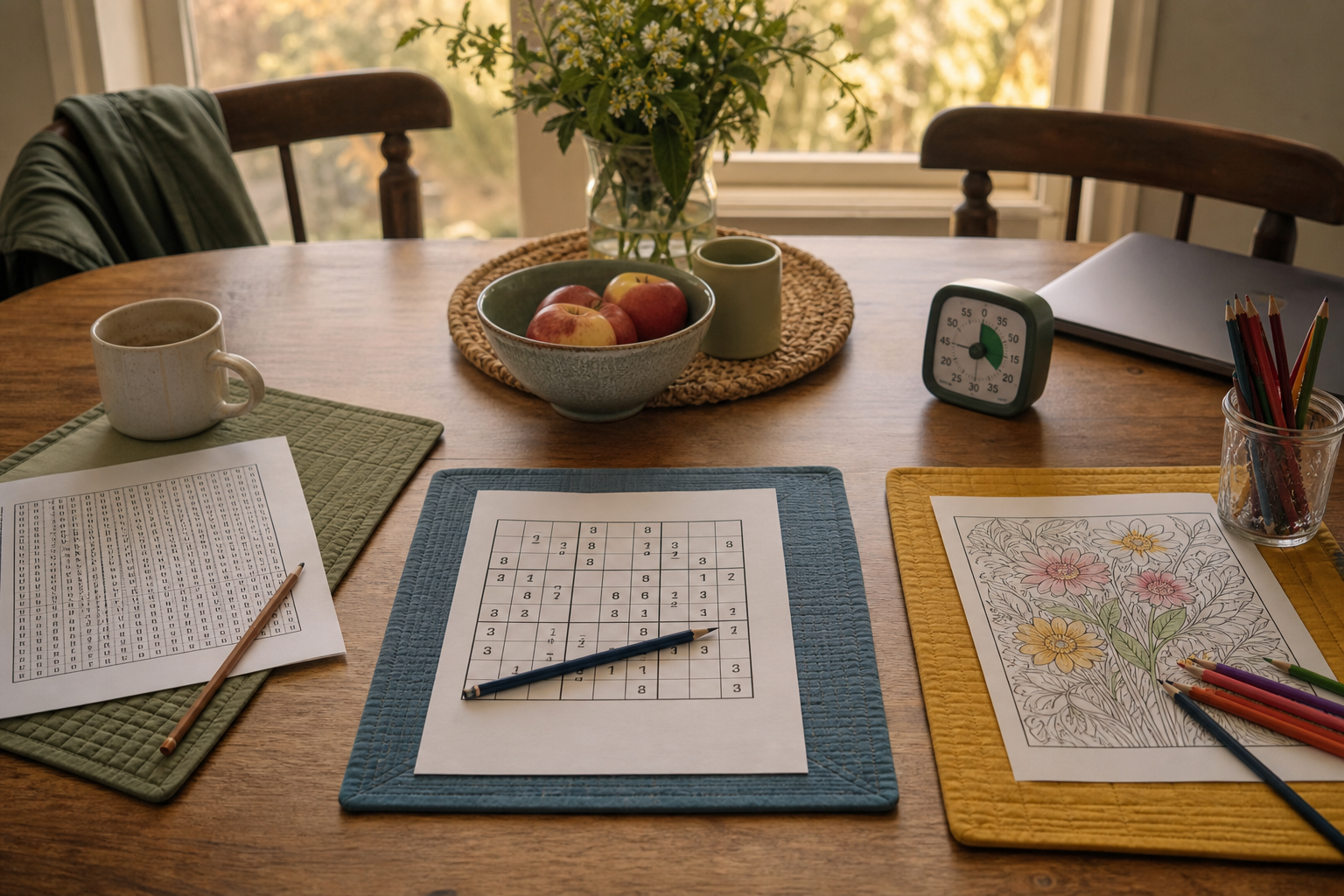
A strong transition packet usually needs only six to ten pages.
Start with:
• 2 quick word, count, or pattern pages.
• 2 observe-or-spot pages such as icon hunts or scene differences.
• 2 logic or code pages.
• 1 short prompt page.
• 1 final password page.
• 1 answer key.
That mix is enough for a family folder, school-office clipboard, counselor waiting table, classroom basket, or library display without making the stack feel bulky.
Family, classroom, and school-event version
For families, start with the word search, icon hunt, and tally page while waiting to enter or while one adult is checking forms. Save the logic page, prompt page, and final password for the ride home or later that evening. That pacing keeps the folder useful instead of letting every page disappear before the family reaches the locker row.
For teachers, counselors, school staff, PTO volunteers, librarians, and family activity buyers, this theme works well for orientation tables, sibling corners, hallway welcome stations, calm-down folders, and first-week advisory baskets. Use the category sort, one maze, one codebreaker, and the final password page as short stations, then keep the answer key nearby so the activity stays self-directed.
Because the theme is broad, the packet can keep working after the event. Kids can use the same pages later at home, in a classroom calm-down folder, in a family puzzle basket, or in a library back-to-school display without depending on one exact locker layout or one exact event setup.
Fast answers to common buyer questions
What ages work best for locker-day printables?
Most locker-day-themed printable packs work best for ages 8 and up, with easier count, match, and pattern pages for younger siblings and logic or code pages for older kids, tweens, and mixed-age family groups.
What supplies should the packet assume?
Assume only a printer, pencil, and optional folder or clipboard. If a page needs markers, scissors, glue, or internet access to function, make that obvious before anyone prints it.
Do these pages only work on locker day?
No. The same packet can work before the event, during the event, on the ride home, or later in a classroom, library, homeschool, or family activity station.
How long should a locker-day puzzle session last?
Ten to twenty minutes is usually enough for a hallway bench, office line, cafeteria table, or quiet end-of-day reset. Shorter sessions are often easier to repeat than one long packet marathon.
Common mistakes to avoid
Do not make every page depend on one exact school map, one exact locker combination, or one age band.
Do not use tiny type or cramped answer spaces that fail on a lap or clipboard.
Do not turn the whole packet into a rules lecture or a locker-organization checklist.
Do not forget the practical side of the event. Check the school's current orientation details before printing, and plan one calm waiting-page option for siblings or early finishers.
Internal link suggestions
Pair this topic with the Open House Puzzle Pack, the Meet-the-Teacher Puzzle Pack, the Back-to-School Bus Ride Puzzle Pack, the Book Fair Puzzle Pack, the free puzzles and games page, and the Kids Coloring Playroom. Readers who like this theme often want another printable-friendly activity for the next school-night event, classroom reset, or family table.
Call to action
Want more printable-style puzzle ideas that work on real school days, real tables, and real family schedules? Browse PuzzlePlay Books for family-friendly puzzle guides, classroom-ready printables, and practical screen-light activities that are easy to print and easy to reuse.