

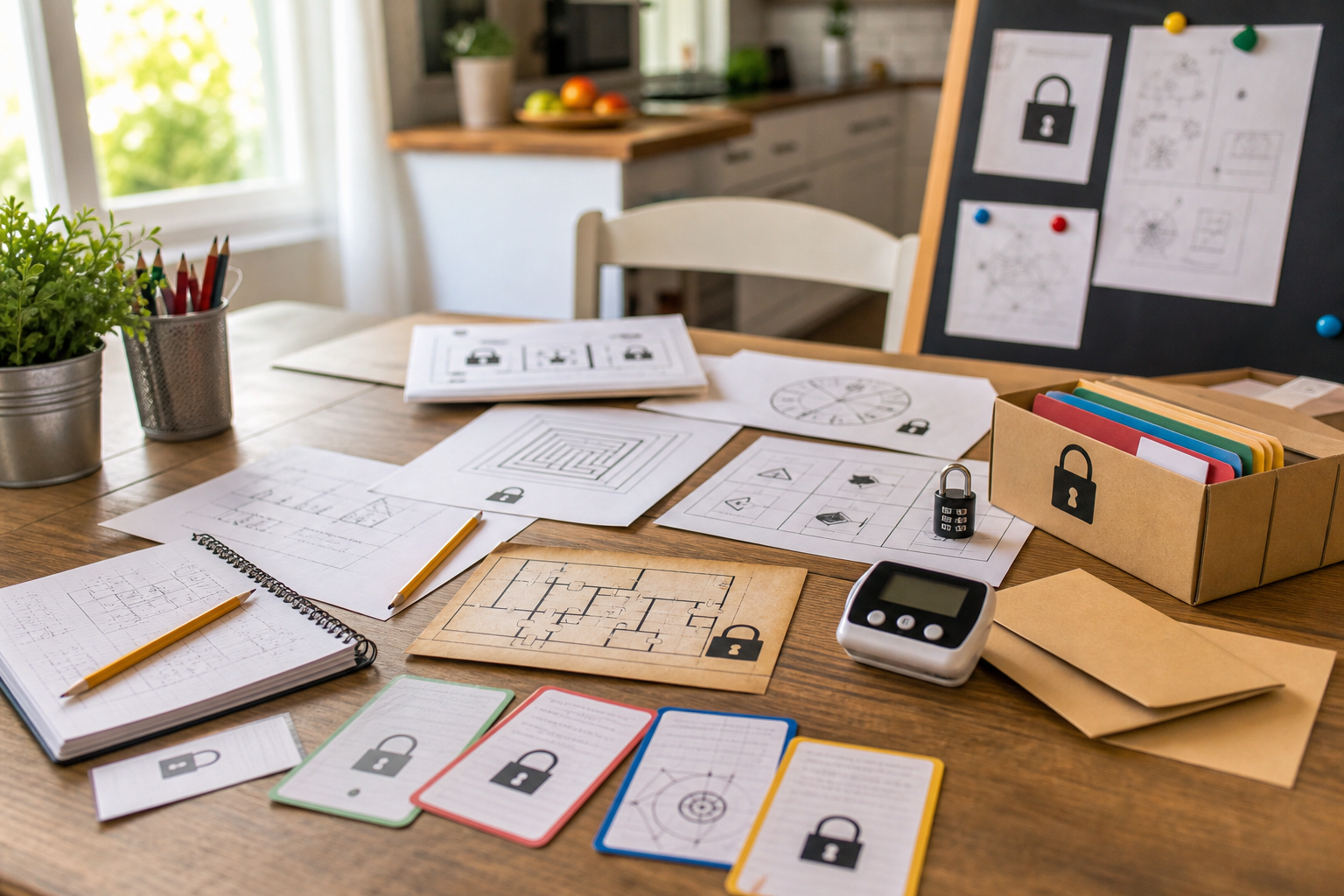


Late July and early August are full of school-season transitions that do not always need another worksheet. Families are labeling supplies, teachers are rebuilding routines, and mixed-age groups often need one activity that feels playful but still starts fast. A back-to-school rebus puzzle pack fits that moment because picture-word clues feel lighter than a full page of directions and still work with a printer, pencil, and a few quiet minutes.
That timing lines up with the family-planning resources adults already reach for. The American Academy of Pediatrics keeps its school and education hub live for back-to-school season, the AAP Family Media Plan remains a practical tool for choosing screen-light defaults ahead of time, the U.S. Department of Education continues to surface family-partnership resources, and National PTA keeps family resources easy to find as routines ramp back up. In practical terms, this is a good moment for printables that can live in a folder, lunchbox, welcome bin, or kitchen drawer and still make sense weeks later.
A rebus puzzle uses pictures, letters, or simple symbols to clue a word or phrase. That makes it useful when reading levels vary, when a child is tired, or when adults want a page that feels more like a game than a lesson. The best back-to-school rebus pages are short, visible, and easy to pause when real life interrupts.
One important note first: these pages work best during seated, supervised activity windows such as breakfast-table starts, welcome-week bins, library tables, lunchbox notes, ride-home folders, and after-school resets. They are not for use while adults need kids moving through crowded drop-off lanes, hallways, parking lots, or bus lines without distraction.
Why a back-to-school rebus puzzle pack works
Picture-word puzzles lower the barrier to starting. A child does not have to read a dense paragraph before doing anything. A teacher or parent can hand over one page, point to the first clue, and let the solver begin. That is especially useful in late summer, when schedules are uneven and adults often need an activity that works even if the room is noisy, a sibling is waiting nearby, or the clock only allows ten minutes.
These printables help most in moments like these:
• while a family wants one low-prep note or page that can travel from breakfast to lunchbox to after-school snack time.
• while a teacher needs a welcome-week printable that feels playful without turning the whole morning into a party game.
• while a homeschool parent or tutor wants a mixed-age warmup that still feels school-season relevant.
• while siblings need the same table mood without the exact same reading demand.
• while a family activity buyer wants one practical back-to-school packet that still works after the first week is over.
That is also why the packet should stay simple. Good rebus pages should work with a printer, pencil, and optional crayons or colored pencils. They should not depend on app logins, scissors, glue, or a long explanation before anyone can begin.
What makes a good picture-word printable
The strongest page makes the answer feel possible at a glance. A rebus clue should be challenging enough to feel fun but not so cryptic that younger solvers give up before writing the first letter.
Aim for:
• one clear task per page, such as decode the picture word, finish the phrase, match clue to answer, or solve a short sequence.
• familiar school-season words such as backpack, lunch, pencil, bus, recess, library, calendar, folder, and teacher.
• answer spaces large enough for clipboards, kitchen counters, lunchbox cards, and classroom tables.
• pages that survive interruption, so a child can stop and still come back without feeling lost.
• clues short enough that another adult can hand over the page without reteaching the whole packet.
• a mix of easy single-word wins and one or two longer phrase clues for older solvers.
If a rebus page needs a full paragraph of setup before the first answer makes sense, it is probably not the right format for a back-to-school packet.
The 15 printable picture-word games worth building first
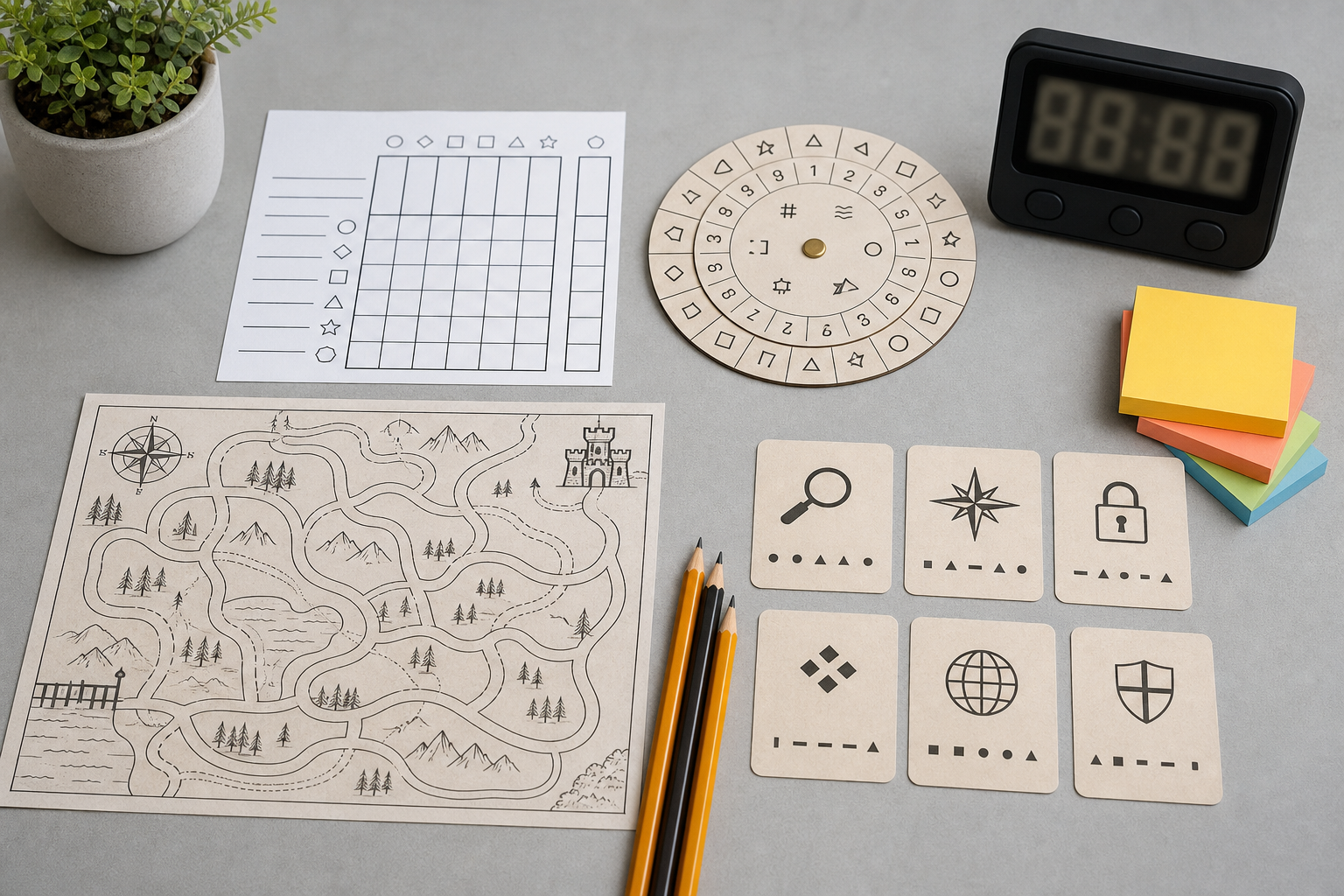
1. Welcome-word rebus card
Use simple picture clues for words such as SCHOOL, CLASS, READY, START, or SMILE. This is one of the fastest ways to give early arrivers an easy win.
2. Backpack packing rebus
Show a sequence of clues that reveal items such as folder, snack, pencil, book, and water bottle. Solvers decode the words, then circle which ones belong in the backpack for that day.
3. Morning routine picture strip
Create four or five short clues that reveal steps such as wake up, get dressed, eat breakfast, pack bag, and head out. This turns a routine into a tiny game without pretending it solves the whole morning.
4. Lunchbox note rebus
Keep one clue small enough to fit on a card or sticky note. Words such as APPLE, SHARE, JOKE, LUNCH, or FRIEND work well because kids can solve them quickly and tell someone else later.
5. Supply-shelf label match
Give a sheet of rebus clues and a second column of answers such as scissors, crayons, glue stick, notebook, and ruler. Matching pages are useful when kids want a shorter task than a full decode.
6. Bus stop weather rebus
Use picture clues to reveal words such as raincoat, umbrella, sunny, water bottle, or jacket. This keeps the page practical without turning it into a long checklist.
7. Classroom jobs picture clue page
Reveal role words such as helper, line leader, librarian, or calendar captain through simple icons and sound clues. Keep the vocabulary broad enough that the page still works in different classrooms.
8. Cafeteria tray rebus
Decode lunchroom words such as tray, milk, fruit, napkin, and table, then ask solvers to match each answer to a small icon. This is an easy way to make a familiar setting feel game-like.
9. Library corner phrase puzzle
Use picture-plus-letter clues to reveal phrases such as READ MORE or QUIET CORNER. Short phrases make the packet feel more varied than single-word pages alone.
10. Recess choice clue card
Reveal words such as chalk, jump rope, ball, or bench, then let solvers circle which one they would pick first. A simple choice layer helps the page feel conversational instead of mechanical.
11. Homework folder password strip
Let five tiny rebus clues reveal one letter each so the page ends with a final word such as START, STUDY, NOTES, or SHARE. A password finish gives the packet a sense of payoff.
12. Partner swap rebus
Split clues across two halves of the page so partners have to compare answers. This creates low-pressure interaction without forcing a full team activity.
13. Picture-story sequence
Show three or four small picture clues that tell a school-day mini story, then ask solvers to write the decoded words in order. This works well when you want something stronger than a single card but still shorter than a worksheet.
14. Spot-and-solve icon row
Mix one rebus clue into a row of school icons and ask players to find the clue first, then solve it. This gives visual hunters an easy entry point.
15. Final SCHOOL password page
Let answers from earlier pages reveal one letter each so the packet ends with SCHOOL, RECESS, FRIEND, or WELCOME. A final password gives the folder a clear finish without making it feel heavy.
Three quick mini examples
These are simple enough to build before the next lunchbox note, welcome-week table, or family quiet block.
Example 1: single-word rebus
Picture of a back plus a pack. Answer: backpack. The goal is to keep the clue simple enough that the answer feels fair.
Example 2: phrase clue
Picture of a bus plus the word STOP. Answer: bus stop.
Example 3: password mini
Solve four short clues for B, O, O, and K, then combine them to reveal BOOK. A tiny final word gives kids one more reason to finish the page.
How to package a rebus folder
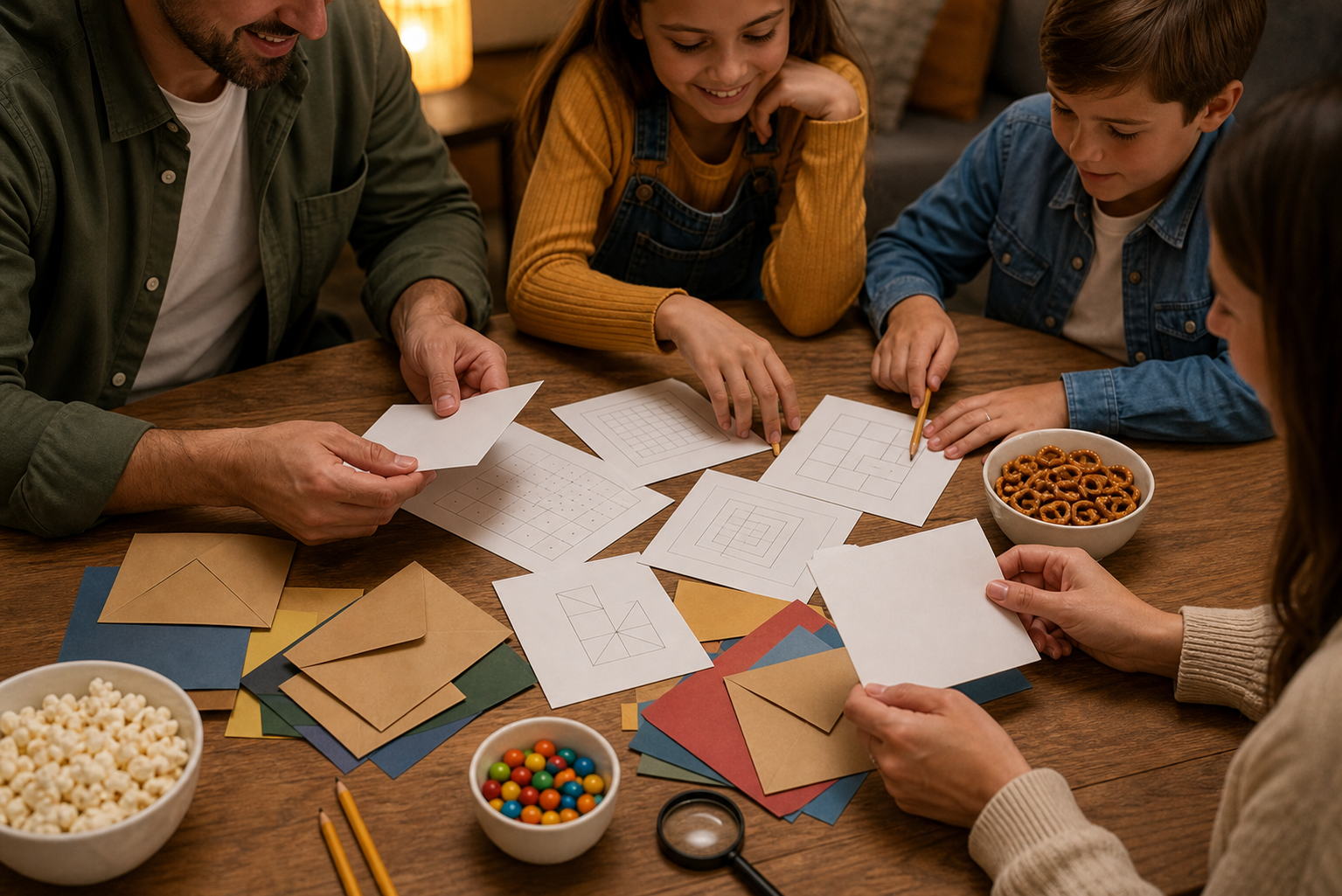
A strong back-to-school rebus packet usually needs only six to nine pages.
Start with:
• 2 fast single-word pages.
• 2 match-or-circle pages.
• 1 phrase page.
• 1 partner or sequence page.
• 1 final password page.
• 1 answer key.
That mix is enough for a classroom bin, lunchbox stack, homework folder, homeschool warmup, tutoring table, or kitchen-counter reset without making the packet bulky.
A short reusable folder also makes it easier to stay intentional about screens. The AAP Family Media Plan is useful here because the same idea applies: decide ahead of time what the default will be when the schedule gets bumpy. If one or two pages are already printed and clipped together, adults do not have to improvise with a device every time a child finishes early or needs a quick reset.
Family-table, classroom, and lunchbox version
For families, keep one very easy card for younger kids, one slightly longer phrase page for an older sibling, and one clue that can be tucked into a lunchbox or planner. The best mixed-age packet gives everyone the same playful mood without forcing the same difficulty.
For teachers, use one page for early arrivers and keep the rest in a welcome-week bin, substitute folder, literacy center, or after-lunch reset stack. That makes the packet more useful than a one-day novelty.
For tutors, homeschoolers, and activity buyers, rebus pages work well as warmups because the supplies are minimal and the finish line is visible. Keep the prompts broad enough that the same packet can move from August routines to later school-year quiet blocks.
Fast answers to common buyer questions
What ages work best for rebus printables?
Most packs work best for ages 5 and up, with simpler single-word clues for younger solvers and longer phrase or password pages for older kids.
What supplies should the packet assume?
Assume only a printer, pencil, and optional crayons or colored pencils. If a page needs cutting, gluing, or device access to function, make that obvious before anyone prints it.
Do rebus pages need a color printer?
No. Strong rebus clues should still work in black and white as long as the icons stay clear and the page is not overcrowded.
How long should a rebus puzzle session last?
Five to ten minutes is usually enough for a lunchbox note, welcome-week start, homework-folder warmup, or family-table reset. Shorter sessions are easier to repeat than one giant packet marathon.
Common mistakes to avoid
Do not make every clue so clever that adults need to explain each answer one by one.
Do not pack the page with tiny icons that only work in full color or on perfect printers.
Do not turn the packet into a hidden vocabulary test with puzzle labels pasted on top.
Do not forget the real-world context. Kids may be moving between breakfast, arrival, lunch, homework, and ride-home time, so the printable has to survive interruption.
Call to action
Want more printable-style puzzle ideas that work in real family schedules, real school transitions, and real mixed-age tables? Browse PuzzlePlay Books for family-friendly puzzle guides, low-prep printables, free games, and practical screen-light activities that are easy to print and easy to reuse.